the pigeon’s cüüüs curdle in my ear
their wings flap the warm, too warm, musty-aroma of the space in my direction
and it fills my mouth
I SIT
on a bench and conduct a little audit of the space’s usages
MAN SORTS ‘VIDEO CARDS’ (looks like football or pokemon cards but he tells me when i ask that they are, ‘video cards’)
MAN WATCHES VIDEO ON SMARTPHONE, HEADPHONES IN, KNEES SPREAD, PHONE BETWEEN KNEES, HUNCHED IN (but not quite falling in) WITH INTENT
MAN EATS SANDWICH THEN SITS FOR HOURS IN WHAT COULD BE DESCRIBED AS CONTEMPLATION: HIS EYES WASH OVER THE BUILDINGS, THE LINES, CURVATURES OF THE BUILDING.
DOES HE TAKE PLEASURE FROM THIS?
Throughout the day i love to spot micro twinning efforts in and around the square-not-square:
A perfectly placed farm foods, in sight from the square, waves the german flag in red-yellow-black,
thank you very much
an ornate doomed corner building over looking the square takes me to Bavaria. Munich perhaps.
The arriva bus company’s internet, DB sponsored (the one perhaps deliberate effort in my noticings, a corporate result of the twinning town initiative), that doesn't let me connect as the bus moves ON
The B1 bus stop sign that looks uncannily like the U5 line
Old-kent-road-brown
Blocky-font
Neglected feel.
Berlin, not Osnabrück, but I’ll take it.
Ryan joins in my game when we buy our picnic later in the day from germany’s


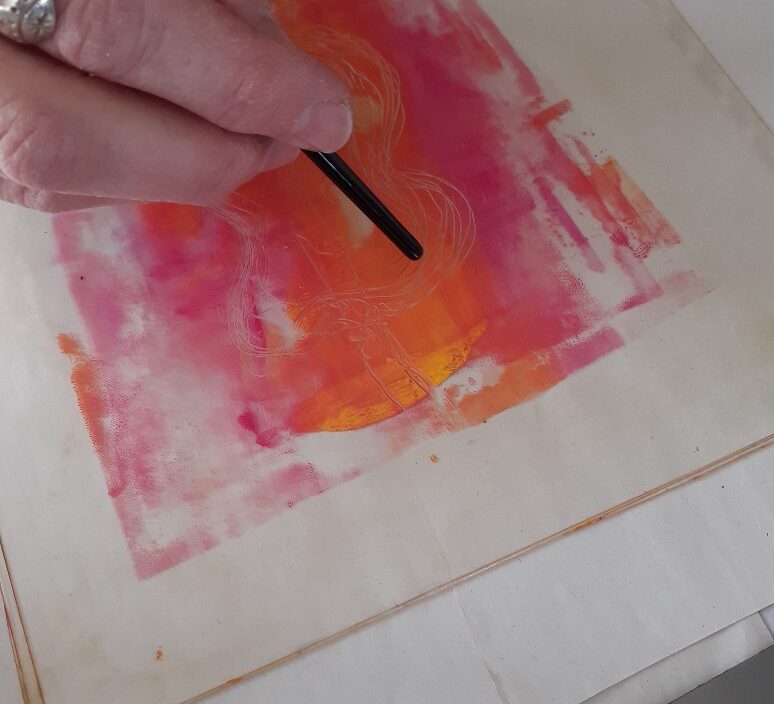
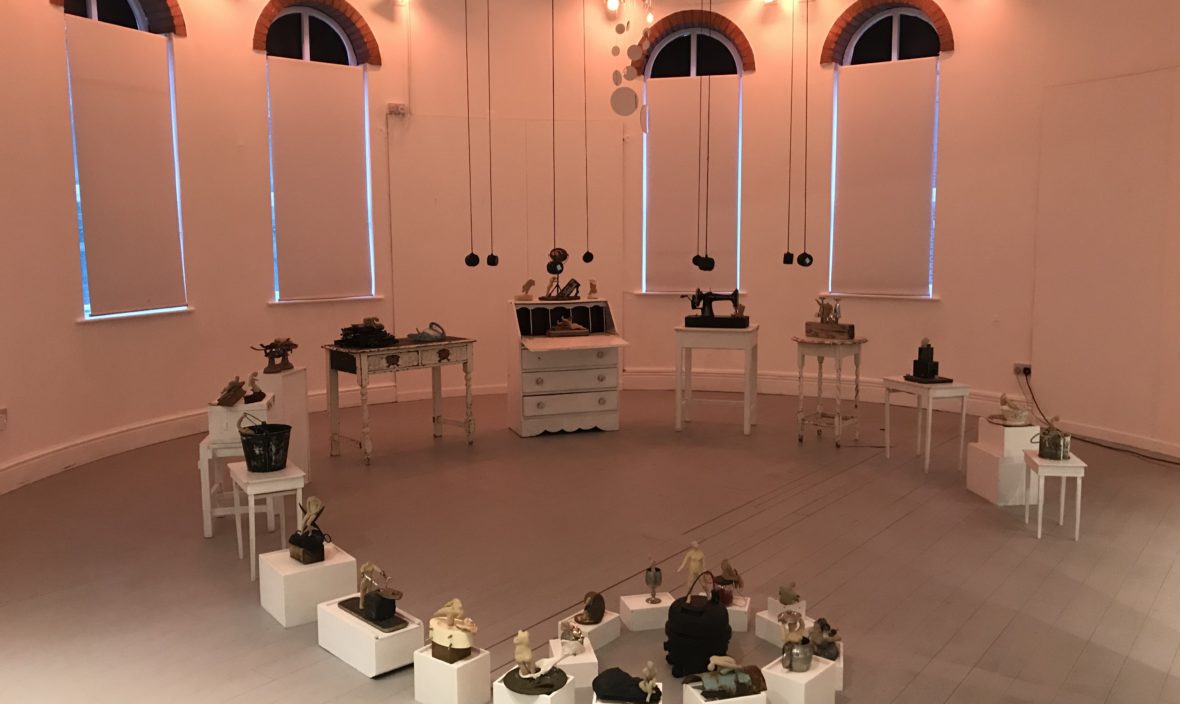
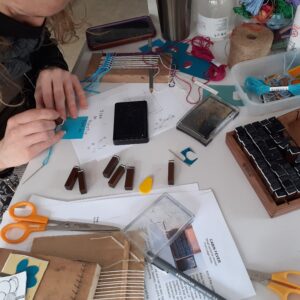
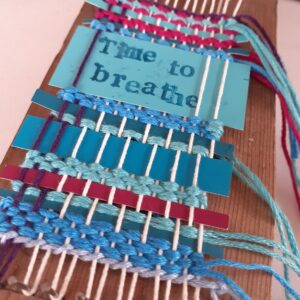
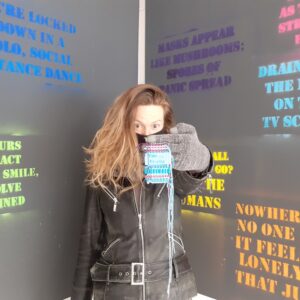
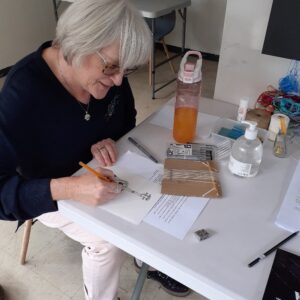
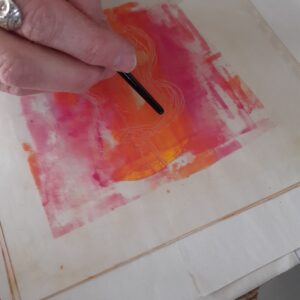
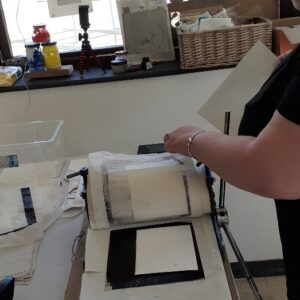
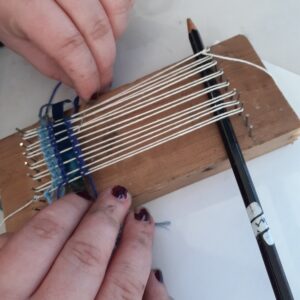
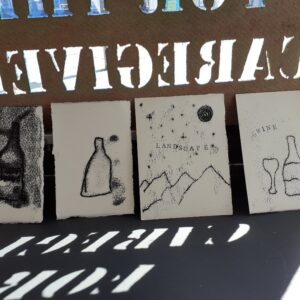
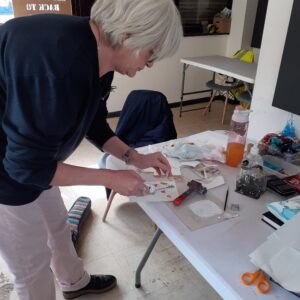
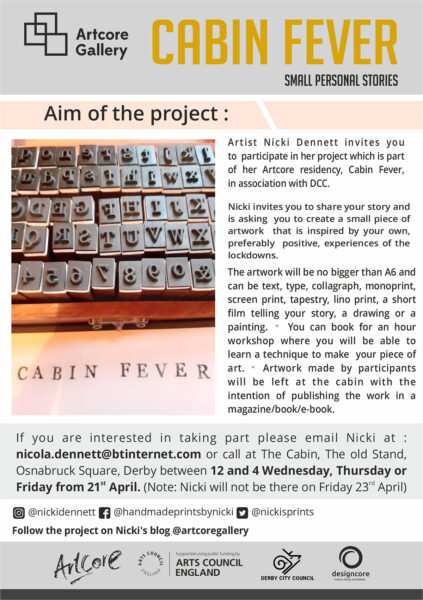 This first week was spent collecting some interesting positive lockdown stories from some local artists. (you don't have to be an artist to take part in the project). They kindly created work for the project inspired by their stories. It feels great to be part of an actual person to person, tea drinking, creative community again. All of the work will be A6 or smaller, to fit on display in the cabin at the end of the residency. I can't wait to see what comes out of the next weeks. I am also looking forward to receiving some stories and art from way up in Orkney (along with some wool to weave with!)
So, there is the option of posting work as long as they come with a story, just let me know at nicola.dennett@btinternet.com and I will send info.
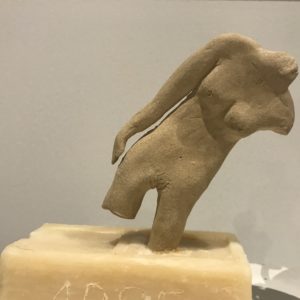
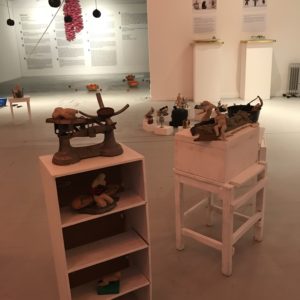
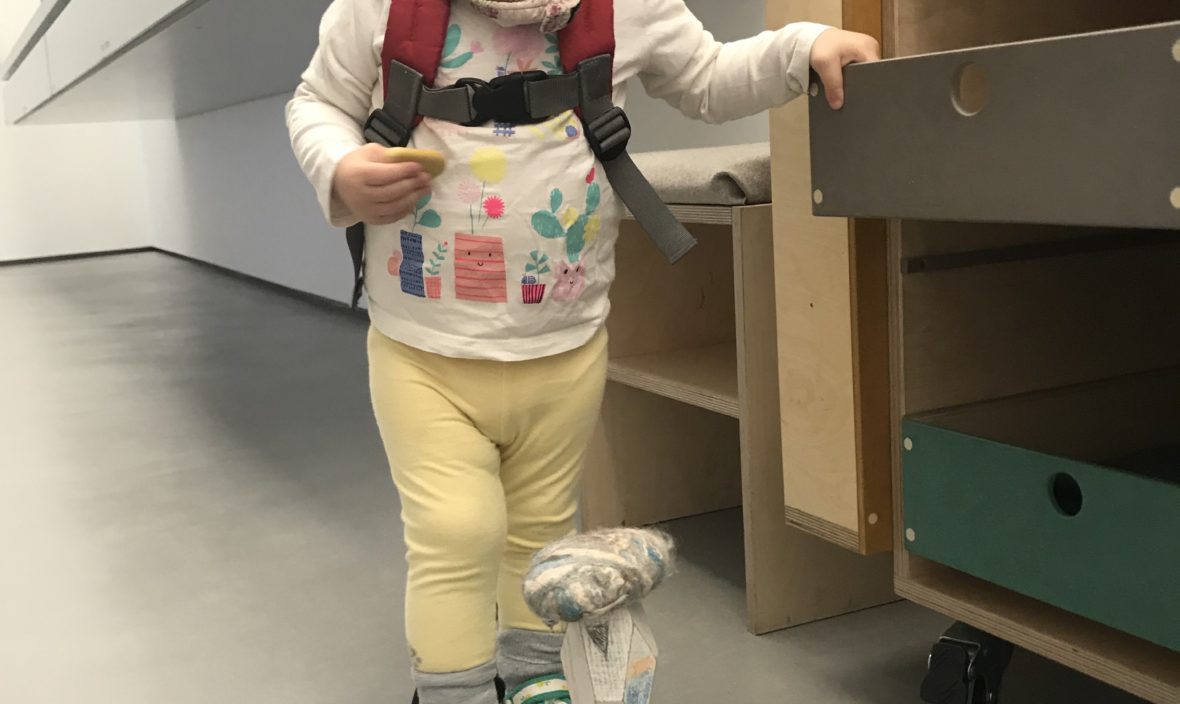
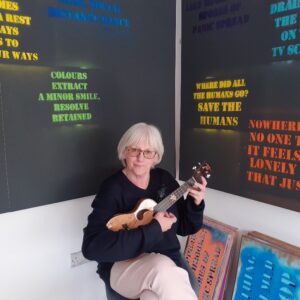
Heres some images from last week.
Thanks to Stevie Davies, Jenny Seals and Avalon Elizabeth Oakes.
This first week was spent collecting some interesting positive lockdown stories from some local artists. (you don't have to be an artist to take part in the project). They kindly created work for the project inspired by their stories. It feels great to be part of an actual person to person, tea drinking, creative community again. All of the work will be A6 or smaller, to fit on display in the cabin at the end of the residency. I can't wait to see what comes out of the next weeks. I am also looking forward to receiving some stories and art from way up in Orkney (along with some wool to weave with!)
So, there is the option of posting work as long as they come with a story, just let me know at nicola.dennett@btinternet.com and I will send info.
Heres some images from last week.
Thanks to Stevie Davies, Jenny Seals and Avalon Elizabeth Oakes.
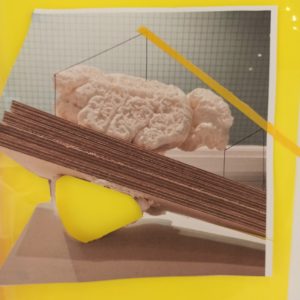 s a projection would be quite minimal as I often feel like I have shown my methods and documentation with but separate to the final outcome, stopping once the physical object is completed. It would be interesting to take the sculptural interpretation of the collages and continue to make the physical work, but for the final outcome to be a visual experience rather that a physical sculpture, and this would be broadening my creative intention towards my practice.
Reading peter Eisenman’s ‘Diagram Diaries’ I came across these two quotes: the first is about the technical aspects of lines and dimensions and the process through which shapes become diagrams;
“Technical preconditions that would allow modern architecture to refound itself... on the twin bases
s a projection would be quite minimal as I often feel like I have shown my methods and documentation with but separate to the final outcome, stopping once the physical object is completed. It would be interesting to take the sculptural interpretation of the collages and continue to make the physical work, but for the final outcome to be a visual experience rather that a physical sculpture, and this would be broadening my creative intention towards my practice.
Reading peter Eisenman’s ‘Diagram Diaries’ I came across these two quotes: the first is about the technical aspects of lines and dimensions and the process through which shapes become diagrams;
“Technical preconditions that would allow modern architecture to refound itself... on the twin bases